
Same Melanin, Different Roads: A Call to Connection and Healing

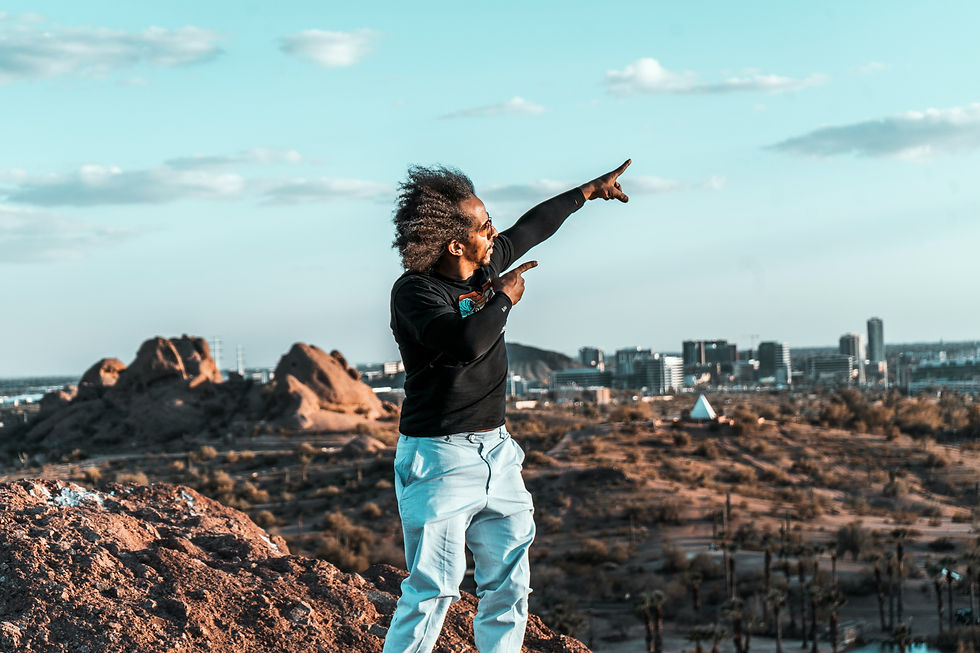
One Black, Many Stories
Being Black is not a single experience. It is a spectrum of stories, rhythms, and reckonings, yet too often that truth is flattened. African and African American identities may share the same melanin, but rarely do we engage in true conversation. Same skin, different roads.
African Americans carry the weight and wonder of survival. They are descendants of the stolen, the enslaved, the erased. They built nations brick by brutal brick while searching for belonging in a land that insists on forgetting its past. Blackness in America has been shaped by resistance and reinvention. Culture that was stolen was remixed into hip-hop, soul food, church traditions, and protest marches. Pain became poetry. Absence became art. Every rhythm and ritual is a testament to survival.
Africans, by contrast, often arrive with names intact, languages still sharp on the tongue, and a sense of origin still tethered to soil and community. Immigration does not offer immunity, however. It carries its own weight and demands the reshaping of identity under a Western gaze. Some arrive with biases about African Americans, and sometimes
African Americans perceive Africans as detached or self-righteous.
Yet both truths are sacred. One Blackness shaped by a legacy stolen, the other by a legacy carried. Both bear the scars of colonization, both exist under the shadow of white supremacy, and both are resilient beyond measure.
Our power does not lie in comparison. It lies in connection. We are not two kinds of Black. We are one kind of unstoppable. In that unity, we find strength, creativity, and the courage to heal.

Mental Health Takeaway
This week, write your origin story. Reflect on one strength you have inherited from your cultural identity. Identify one myth about yourself or your people that you are ready to release. Finally, consider one small action you can take this week to honor your heritage while nurturing your mental wellness.
By naming your story and releasing old narratives, you reclaim power, identity, and a deeper connection to yourself and the broader Black community.

Written by Gidai Maaza.
Gidai is a Licensed Marriage and Family Therapist, accepting new clients in California. To learn more about his services, click here: Gidai Maaza.

Bài của bạn viết khá mạch lạc, vào thẳng ý chính nên mình đọc một lượt là nắm được ngay, cảm ơn bạn đã chia sẻ. Mình thì ngày nào cũng có thói quen xem thống kê XSMB để tiện theo dõi, nhưng trước đây toàn phải mở nhiều nguồn khác nhau nên hơi mất công. Gần đây mình tự lưu lại một chỗ tổng hợp để lúc cần chỉ mở ra xem nhanh, đỡ phải ngồi tìm lại từng nơi. https://soicau247.com/soi-cau-xsmb-vip-hom-nay.html mình để như kiểu ghi chú cá nhân thôi, ai có thói quen giống mình thì tham khảo cho tiện. Nói chung nhờ bài của bạn mà mình thấy việc theo dõi số liệu theo ngày dễ hơn…